WACrew
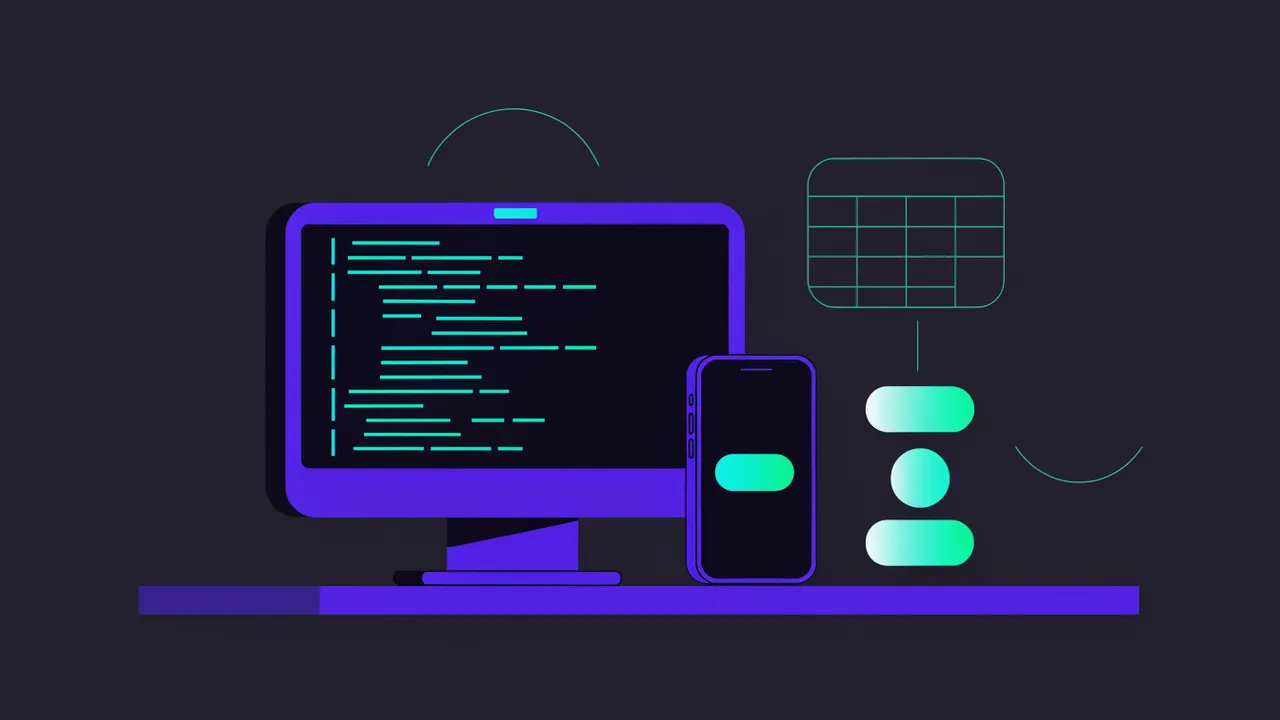
A software agency serves clients in a particular way. The client is not buying something off the shelf. They hire people to build something that changes every week. The channel is very often WhatsApp, with one group per project, and that is where the production bug, the small tweak, the partner's new idea and the deadline chase all land. Mixed together, in the same thread.
This is a client support routine for software agencies on WhatsApp, written for small teams of two to fifteen people, where the people who write code also answer clients.
The four kinds of message you get
Before any routine, name what comes in. Almost everything fits into four kinds.
- Incident. Something that worked has stopped. The clock is in hours.
- Bug. Something is wrong, but there is a workaround. It goes into the development queue.
- Change request. A tweak or a new feature. It needs a scope estimate before any "yes".
- Conversation. A question, an alignment, a status check. It needs an answer, not code.
Mixing these up causes most of the trouble. A change request handled as a bug becomes free work. An incident handled as a conversation becomes an angry client.
The routine, from morning to evening
Morning: read by wait time
Start the day with "who has been waiting the longest?", not with WhatsApp's order. The app puts whoever spoke last at the top, so the most active group always wins your attention. The guide on managing client WhatsApp groups shows how to build that queue.
When replying: classify before you promise
For each message, decide the kind before you write. The reply changes a lot:
- Incident: confirm you saw it and say what you are doing. "Seen it, I'm already in the logs" calms people more than "we'll look into it".
- Bug: log it somewhere outside WhatsApp (an issue, a board, a sheet) and reply with what happens now, without promising a date you do not have.
- Change request: thank them for the idea without accepting it. Say you will size it and come back with cost and timing. The impulsive "sure" is the main source of scope that grows without being paid for.
- Conversation: reply briefly and on the same day.
Voice notes and screenshots: turn them into text
Agency clients send lots of voice notes ("it's quick, look...") and screenshots. The catch is that audio does not show up in search and screenshots vanish in the scroll. Transcribing voice notes as they arrive, and writing down what matters from a screenshot inside the issue, saves you the "where did they say that again?" question two weeks later.
End of day: record what shipped
Every delivery of the day goes into a list per client: what, when, link. That list answers three questions that always come up. "What did you do this month?", "was this in the contract?" and "is this client asking for more than they pay for?".
One group per project: rules that prevent a mess
- One group per project, not per client, when a client has more than one project. Otherwise system A and app B get tangled.
- Agree on an incident signal. Something like "if it goes down, post in the group with the word URGENT", with someone on your team watching for it.
- Split the decision makers' group from the technical group when the client brings a lot of people. Scope and price decisions should not happen in front of twenty developers.
- Do not use the group as a task manager. A request that becomes work leaves WhatsApp and goes into an issue.
Where AI helps
For a software agency, AI helps most at two ends.
Reading and summarizing. When you come back from an afternoon of focused coding and the group moved fifty messages, a summary of what is still open saves a lot of time.
Taking the request to your coding agent. If the team uses Claude Code, Codex or another agent, connecting WhatsApp to it through MCP lets the agent read what the client asked, transcribe the voice note about the bug and start the work in the right repository. The setup is in the Claude Code MCP guide and the WhatsApp MCP server page.
Replying on its own is where AI needs the most care. Deadlines and prices are the agency's decisions, and so is scope. The AI can draft, but someone on the team should approve.
WACrew for software agencies
WACrew came out of exactly this kind of routine and it is open source. It reads the agency's WhatsApp account and offers:
- a queue by wait time that merges the group and the direct chats of the same client;
- voice note transcription, searchable with the rest of the history;
- contract and delivery records per client, with a view of who is more active than their contract covers;
- an MCP server so your coding agent can read and answer WhatsApp;
- AI replies in your style, with approval on by default.
It runs on your machine or on a server you control, and the data stays with you. For how it compares with full help desk platforms, see the open-source WhatsApp CRM page.
FAQ
Is it worth having a dedicated support number? Yes. Mixing a partner's personal number with client support makes the whole client history depend on one person's phone.
Who should answer the client, the developer or the project manager? Whoever knows the subject, with a clear rule for who replies first in each group. What matters is that the client never waits because everyone assumed someone else would answer.
How do I charge for out-of-scope requests without friction? Reply quickly, acknowledge the request and come back with cost and timing before you start. Having the delivery list and the contract at hand keeps that conversation factual.